
A website might start with one developer, one vision, and one clean codebase. Everything feels organized because one person understands how it all fits together.
Then the team grows.
A second developer joins. Then a third. Maybe a designer starts contributing. Maybe a marketing team needs to create pages. Suddenly, the same website that once felt simple begins to feel harder to manage.
This is where many projects start to slow down.
Code overlaps. Styles conflict. Decisions are made differently across teams. And over time, the website becomes harder to maintain because it was never designed for collaboration in the first place.
If your goal is to build a website that multiple developers can maintain, you need more than good code. You need structure, consistency, and a system that supports teamwork from the beginning.
Why Most Websites Struggle With Multiple Developers
The biggest issue is not the number of developers. It is the lack of shared structure.

When multiple developers work on a site without clear guidelines, each person solves problems in their own way. That leads to:
- Inconsistent naming conventions
- Duplicate components
- Conflicting styles
- Different approaches to layout and structure
Individually, these decisions might work. But together, they create a codebase that becomes harder to understand over time.
A maintainable site needs consistency across every layer, from file structure to styling to component design.
Start With a Maintainable Website Architecture
Everything begins with architecture. If your foundation is unclear, collaboration becomes difficult very quickly.
A maintainable website architecture ensures that every developer knows where things live and how they are organized. Files should be grouped logically, and the structure should remain consistent across the entire project.
This might include separating:
- Base styles
- Layout files
- Components
- Utilities
- Scripts
When the structure is predictable, developers spend less time searching and more time building.
Use Reusable Components Across the Site
One of the most important steps in scalable web development is creating reusable components.
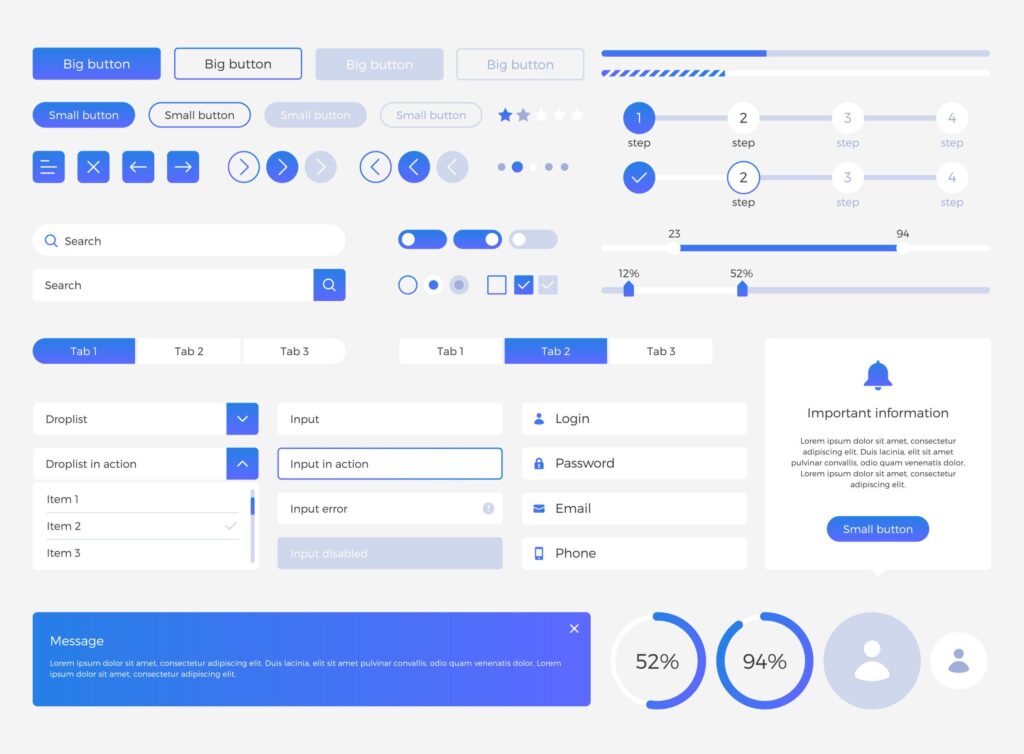
Instead of building new layouts for every page, teams should rely on shared components such as:
- Buttons
- Cards
- Navigation elements
- Forms
- Call-to-action sections
When components are reused, the site becomes more consistent and easier to update. Developers do not need to recreate functionality or styling. They can build using existing pieces.
Reusable components also reduce the risk of conflicting changes because updates happen in one place rather than across multiple pages.
Establish Clear Naming Conventions
Naming might seem like a small detail, but it plays a major role in collaboration.
When class names, file names, and components follow a consistent pattern, developers can quickly understand the code. Without that consistency, every file requires extra effort to interpret.
A team-friendly code structure uses naming conventions that describe purpose rather than placement.
For example:
- card__title instead of title-2
- hero__button instead of btn-large-blue
Clear naming reduces confusion and makes the code easier to maintain over time.
Create a Shared Development Workflow
Collaboration requires more than code structure. It also depends on how developers work together.
A strong collaborative development workflow ensures that changes are consistent and predictable.
This might include:
- Version control with clear branching strategies
- Code review processes
- Shared guidelines for how features are built
- Documentation for common patterns
When workflows are clear, developers can contribute without stepping on each otherâs work.
Keep CSS and Styling Organized
CSS is often one of the first areas where collaboration breaks down. Without a clear system, styles begin to overlap and conflict.
A maintainable approach includes:
- Modular CSS files
- Consistent naming conventions
- Avoiding overly specific selectors
- Keeping components independent
When styling is organized, developers can make changes without worrying about unexpected side effects.
Document How the Website Is Built
Documentation is essential for any site with multiple contributors.
It does not need to be complicated. Even a simple guide can help answer questions like:
- How are components structured?
- Where should new files go?
- What naming conventions should be used?
- How are layouts built?
Documentation helps new developers get up to speed faster and reduces the need for constant back-and-forth communication.
It also ensures that decisions made early in the project continue to guide development throughout the project.
Choose Tools That Support Collaboration
The tools behind your website should make collaboration easier, not harder.
Platforms like WordPress can support multiple developers effectively when configured properly. Using structured content, reusable blocks, and controlled editing environments helps maintain consistency across teams.
The goal is to create a system where developers and content editors can work efficiently without breaking the overall structure of the site.
Plan for Growth From the Beginning
Even if your team is small today, your website may not stay that way.
Planning for growth means building systems that can handle additional developers without requiring a complete rebuild later.
This includes:
- Clear architecture
- Reusable components
- Consistent naming
- Documented workflows
When these elements are in place, scaling your team becomes much easier.
How Nerd Rush Can Help
If your website is growing and collaboration is becoming more complex, the issue is often structural rather than technical.
Nerd Rush helps teams create systems that support multiple developers without sacrificing consistency or performance. From organizing codebases to building reusable components and improving workflows, we focus on creating websites that are easier to maintain over time.
Creating a Website That Supports Your Team
A website that multiple developers can maintain is not just easier to manage. It is faster to build, easier to update, and more reliable over time.
When your structure is clear, and your workflows are consistent, your team can focus on building instead of fixing.
That is what strong architecture makes possible.